Poppy: A Designer’s Review for Boutique Sweatshirts
As an embroidery designer who has spent years digitizing and testing patterns for small clothing brands, I approach every new machine embroidery design with a critical eye. It is not just about whether the file runs smoothly; it is about how the final stitch-out elevates the garment. Recently, I had the opportunity to test Poppy, a floral motif from the Bouquets collection, for an upcoming limited drop of premium sweatshirts. My goal was to determine if this design could carry the weight of a boutique brand’s identity while remaining practical for commercial production.
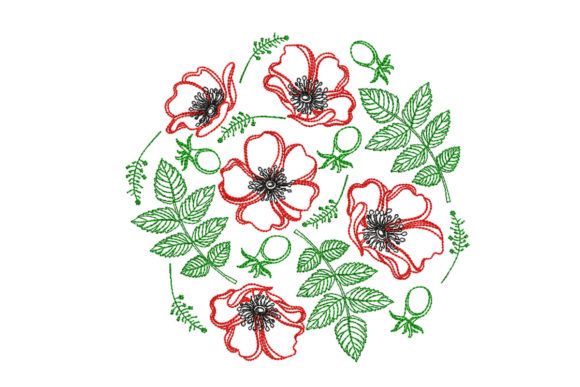
The first impression of Poppy is one of delicate resilience. The design captures the essence of the flower without becoming overly intricate or dense. For a designer, this balance is crucial. When I loaded the embroidery file into my software, the layout appeared clean and well-structured. The petals flow naturally, suggesting a hand-drawn quality that translates beautifully into thread. This is not a stiff, corporate logo; it is a piece of art that feels organic. For a small shop product, this distinction matters. Customers are increasingly drawn to items that feel handmade and thoughtful, rather than mass-produced.
Evaluating Poppy on Heavyweight Fabrics
The primary challenge in sweatshirt embroidery is managing the relationship between the stitch density and the fabric texture. Sweatshirts, particularly high-quality cotton blends, have a loft and thickness that can swallow delicate designs if they are not digitized correctly. Poppy handles this transition remarkably well. The design avoids excessive underlay that might cause puckering on softer knits, yet it maintains enough saturation to stand out against the nap of the fabric.
I tested the design on several neutral tones—oatmeal, charcoal, and slate blue. On the lighter oatmeal sweatshirt, I used a contrasting deep red and forest green thread palette. The result was striking. The thread colors popped against the neutral background, giving the garment a rustic yet refined aesthetic. On the darker charcoal fabric, I opted for muted, tonal threads. Here, Poppy acted as a subtle textural element rather than a bold graphic. This versatility is a significant asset for any Etsy seller or apparel decorator looking to maximize the utility of a single digital asset.
One concern with floral designs on heavy fabrics is the "sink-in" effect, where stitches disappear into the fleece. To combat this, proper stabilizer choice is non-negotiable. For my tests, I used a cut-away stabilizer, which provided the necessary support for the stitch density of the petals. The finished product remained flat and smooth, with no signs of distortion after washing. This durability is essential for building buyer trust. A handmade product must survive real-life wear to generate repeat customers and positive reviews.
Placement Strategies for Modern Apparel
Where you place Poppy changes its entire personality. For this boutique collection, I explored three distinct placements: the left chest, the sleeve cuff, and the upper back.
- Left Chest: This is the classic choice for a boutique brand. A small-to-medium hoop size allows the flower to sit neatly over the heart. It feels intimate and personal, perfect for a minimalist aesthetic. The design’s compact nature ensures it remains readable even at smaller scales, making it ideal for women’s blouses and t-shirts as well.
- Sleeve Accent: Placing Poppy on the upper sleeve or near the cuff adds a unexpected detail that elevates a basic hoodie. This placement works exceptionally well for oversized hoodies, where the extra fabric provides a canvas for decorative elements. It turns a standard piece of loungewear into a fashion statement.
- Upper Back: For a bolder look, I scaled up the design for the upper back area. Here, the floral arrangement shines as a centerpiece. It pairs beautifully with simple text or can stand alone as a large graphic. This application is particularly effective for outerwear like raincoats and jackets, as mentioned in the product description, adding a touch of femininity to utilitarian garments.
Each placement offers a different vibe. The chest placement feels professional and clean, suitable for suits and coats. The sleeve accent is playful and trendy, appealing to a younger demographic. The back design is bold and artistic, perfect for those who want their clothing to speak louder. By offering these variations, a custom apparel business can cater to diverse customer preferences using a single digital embroidery file.
Commercial Viability and Brand Identity
From a business perspective, Poppy is a strong contender for commercial use. The design is versatile enough to fit into various seasonal collections. In spring, it represents renewal and growth; in autumn, it complements the warm, earthy tones of the season. This adaptability extends the lifespan of the design asset, providing better return on investment for small business owners.
Visual recognition is key in the crowded online marketplace. A distinctive embroidery design helps establish brand identity. Poppy has a unique silhouette that is easily recognizable. When used consistently across marketing materials, such as printable mockup previews and social media posts, it becomes a signature element of the brand. This consistency builds customer engagement and loyalty. Buyers begin to associate the quality and style of the embroidery with the brand itself.
However, designers must remain mindful of technical specifications. While the visual appeal is evident, always check the specific hoop size requirements and file formats compatible with your machine before starting production. Not all machines handle complex color changes or large jump stitches equally. Testing on scrap fabric identical to your final garment is a best practice that prevents costly mistakes. Additionally, verify the license terms to ensure the design is cleared for commercial embroidery sales, especially if you plan to scale up production.
Enhancing Product Value Through Detail
The perceived value of a garment increases significantly with the addition of quality embroidery. A plain sweatshirt is a commodity; a sweatshirt adorned with Poppy is a curated piece. The tactile nature of embroidery adds depth and luxury that printed graphics cannot replicate. Customers appreciate the craftsmanship involved, which justifies a higher price point.
For Etsy listings and online shops, the presentation of the finished product is vital. High-resolution photos that capture the texture of the threads and the interplay of light on the stitches can dramatically improve conversion rates. Use close-up shots to highlight the precision of the Poppy design. Show the back of the embroidery to demonstrate clean finishing and proper stabilizer use. These details reassure potential buyers of the quality they are purchasing.
In conclusion, Poppy is more than just a floral pattern; it is a versatile tool for creative entrepreneurs. Whether you are designing for dresses, women’s blouses, or heavy outerwear, this design offers the flexibility and aesthetic appeal needed for successful custom apparel. Its ability to adapt to different fabrics, colors, and placements makes it a valuable addition to any designer’s library. By paying attention to technical details like stabilizer choice and thread contrast, you can ensure that every stitch contributes to a premium finished product that resonates with your audience.
For small clothing brands and handmade business owners, investing in high-quality design assets like Poppy is an investment in your brand’s future. It allows you to create unique, memorable pieces that stand out in a saturated market. As you plan your next collection, consider how this beautiful bouquet can bring life and character to your garments, turning simple clothing into cherished keepsakes.