Fantasy Elf Girl Redwork: A Designer’s Review
As a designer who spends more time staring at digitized stitch maps than actual fabric, I have developed a keen eye for what works in the hoop and what looks beautiful on screen but fails in reality. When I first pulled up the Fantasy Elf Girl Redwork file, my immediate reaction was one of relief. In a market saturated with overly complex, dense designs that eat through thread budgets and needle life, this piece offers a refreshing return to simplicity. It captures the whimsical essence of Fairy Tales without relying on thousands of satin stitches or complicated color changes.
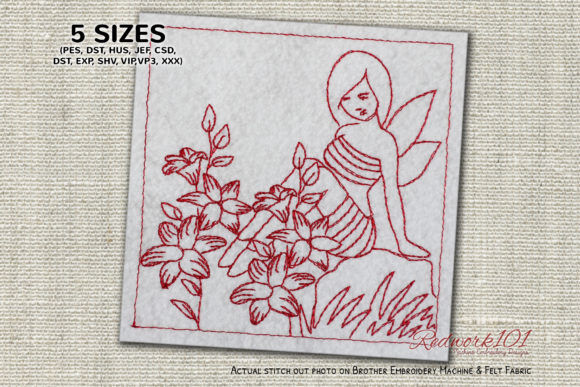
The scene is straightforward yet evocative: an elf girl seated on a rock, quietly observing blooming flowers. There is a stillness to the composition that translates beautifully into Embroidery. For those of us running small shops or creating custom orders, the appeal here lies not just in the aesthetic, but in the practicality of the execution. This is a design that respects the machine, the fabric, and the maker’s time.
First Impressions and Visual Mood
The term "Redwork" traditionally refers to monochromatic embroidery, often using red thread on white fabric, reminiscent of historical quilting techniques. While modern interpretations allow for various color palettes, the structural integrity of this design leans heavily on clean lines and open space. The silhouette of the elf is distinct, avoiding the muddy look that can occur when fine details are packed too tightly.
What strikes me most is the balance between the character and her environment. The rock provides a solid base, grounding the figure, while the blooming flowers add a touch of organic softness. This layout creates a natural focal point that draws the eye without overwhelming it. For a handmade product, this visual clarity is crucial. Customers scrolling through an Etsy seller’s shop need to understand the design instantly. Complex, cluttered images often get lost in thumbnail views, but the clear outlines of this machine embroidery design remain legible even at smaller sizes.
Real-World Application: The Tote Bag Test
To truly evaluate a design, I mentally place it on various substrates. Let’s consider a canvas tote bag design. Canvas is a sturdy, textured fabric that can sometimes chew up delicate stitches. However, because this design relies on what appears to be a mix of running stitch and moderate fill work, it handles the texture well. The open areas between the stitches allow the fabric’s weave to show through slightly, adding a rustic, authentic charm that mass-produced prints lack.
I recently worked on a project for a client wanting a personalized gift for a young reader. We chose a natural linen tote. The Fantasy Elf Girl Redwork was stitched in a deep forest green rather than traditional red, giving it a woodland fairy tale vibe. The result was elegant and understated. It didn’t scream "children’s item," which meant the recipient, a teenager, actually wanted to use it. This versatility is a huge selling point for craft business owners. You aren’t limited to baby items; you can elevate the design for adult apparel or home decor simply by changing the thread color.
Performance on Apparel and Curved Surfaces
Moving from flat goods to custom apparel, the design performs admirably on sweatshirts and t-shirts. For sweatshirt embroidery, the key concern is always puckering. Since this design does not appear to have excessive stitch density, it minimizes the pull on knit fabrics. However, proper stabilization is non-negotiable. I always recommend a cut-away stabilizer for garments that will be washed frequently, ensuring the design retains its shape over time.
When considering curved surfaces like caps, caution is advised. The horizontal spread of the rock and the elf’s seated position might require careful hooping. If you are attempting this as an embroidered patch to be sewn onto a hat later, you avoid the curvature issue entirely. This is a smart workaround for small shop product lines. Create the patch on flat, stable fabric, then apply it. This method also allows for easier quality control before the item reaches the customer.
Navigating Fabric and Technical Constraints
No design is universal, and honest review requires acknowledging limitations. While the Fantasy Elf Girl Redwork is robust, it requires thoughtful fabric selection. On very thin or stretchy fabrics, such as lightweight jersey or silk, the open spaces in the design could lead to distortion if not stabilized correctly. I would avoid using this on sheer materials unless backing it with a heavy interfacing.
Additionally, note the description regarding the optional Box Stitch. The outer box is shown in a different color in most previews. If you are aiming for a true redwork or monochromatic look, ensure your software allows you to easily merge or recolor these elements. Always check the embroidery file structure before loading it onto your machine. Verify if the box is a separate element or integrated into the main design layer. This small step prevents unexpected color stops or thread breaks during production.
For baby embroidery projects, such as onesies or burp cloths, the softness of the stitch output is vital. Ensure your tension is balanced so the back of the design is not scratchy against sensitive skin. Using a soft, tear-away stabilizer for items that won’t undergo rigorous washing can help maintain comfort, but for durability, a light cut-away is safer.
Commercial Viability and Brand Consistency
For commercial embroidery and digital embroidery file sellers, the value of this design lies in its adaptability. It fits seamlessly into seasonal collections. Imagine this elf surrounded by autumn leaves for fall, or snowflakes for winter holiday embroidery. The core design remains the same, but the context shifts, allowing you to create multiple SKUs from a single asset. This efficiency is gold for creative entrepreneurs looking to maximize their design library.
Furthermore, the clean lines make it ideal for printable mockup creation. When listing design assets or finished goods online, the ability to generate crisp, professional-looking previews helps build customer trust. A messy, pixelated mockup can deter buyers, but the sharp contours of this elf girl translate well into digital presentations.
Practical Designer Notes for Best Results
Before you commit to stitching this on a final finished product, follow these practical steps:
- Test on Scrap Fabric: Always run a test stitch-out on the same type of fabric you intend to use. Check for registration issues, especially where the flowers meet the rock.
- Check Thread Contrast: If using dark thread on dark fabric, the details may get lost. Consider using a metallic or variegated thread to add dimension, or stick to high-contrast combinations for maximum visibility.
- Review Stitch Density: If your machine struggles with long runs of running stitch, ensure your tension disks are clean and your needle is sharp. A fresh needle makes a significant difference in line clarity.
- Confirm Hoop Size: Measure the design dimensions against your available hoops. While likely small enough for standard frames, always verify to avoid last-minute re-hooping.
- Licensing Verification: If you plan to sell items made with this design, confirm the license terms. Most designers allow physical sales but restrict the resale of the digital file itself. Respect intellectual property to maintain professionalism in the community.
In conclusion, the Fantasy Elf Girl Redwork is a solid addition to any designer’s toolkit. It balances artistic charm with technical ease, making it suitable for both novice hobbyists and seasoned apparel decorators. By understanding its strengths and respecting its limitations, you can create stunning, high-quality items that resonate with customers and stand the test of time.