Fancy Flower: A Designer’s Review for Personalized Gifts
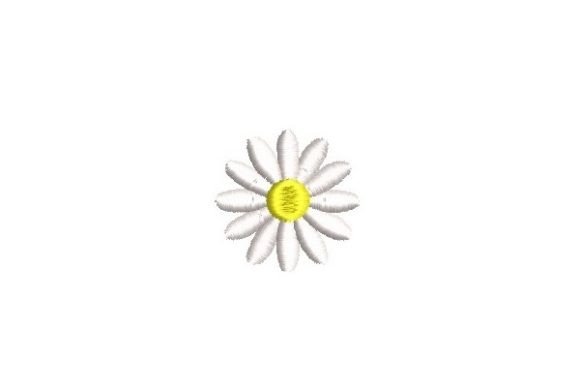
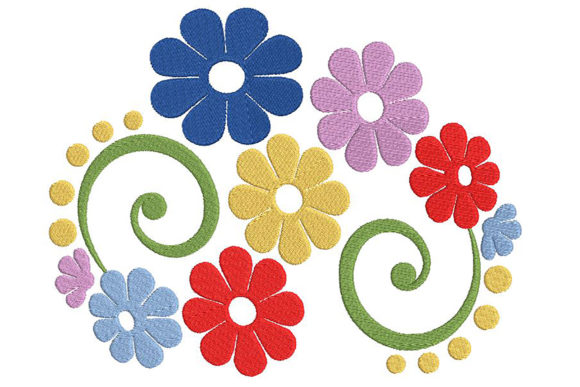
As an embroidery designer who spends countless hours digitizing and testing patterns, I am always on the lookout for versatile motifs that bridge the gap between technical precision and emotional appeal. When I first loaded the Fancy Flower machine embroidery design into my software, I was immediately struck by its potential. This is not just a decorative element; it is a storytelling tool. In the world of personalized gifts, simplicity often speaks louder than complexity. This gorgeous little flower invites spring into your creations, offering a touch of whimsy that feels both handmade and professionally finished.
In this review, I am evaluating Fancy Flower from the perspective of a small shop owner preparing for the upcoming gift season. My goal is to determine if this single flower motif can hold its own in a competitive market, specifically for Etsy sellers, boutique owners, and crafters who rely on high-quality digital embroidery files to drive sales.
The First Impression: Mood and Aesthetic Appeal
The immediate vibe of Fancy Flower is undeniably cheerful and inviting. It sits comfortably in the "sweet" and "romantic" categories without tipping into overly juvenile territory. This balance is crucial for a design intended for a wide range of products. For baby embroidery, it offers a gentle, playful touch. For wedding gifts or home decor, it provides a classic, elegant accent. The design does not feel dated; rather, it has a timeless quality that appeals to customers looking for modern yet traditional handmade products.
What stands out most is the detail level. It is intricate enough to look valuable but open enough to stitch quickly. For a commercial embroidery business, speed matters. However, speed should never compromise quality. The flow of the petals suggests a natural movement, which helps the finished product feel organic rather than rigid. This emotional connection is what turns a simple embroidered towel or pillow cover into a cherished keepsake.
Versatility Across Product Categories
One of the strongest assets of Fancy Flower is its adaptability. As a member of the Single Flowers category, it is designed to be a standalone hero or a complementary accent. Here is how I envision it performing across different product lines:
- Baby Items: Imagine this stitched onto a muslin swaddle or a onesie. The soft curves are perfect for nursery decor, adding a splash of color to neutral blankets. It works beautifully for baby showers, where parents appreciate subtle, gender-neutral designs that still feel special.
- Kitchen and Home Decor: An embroidered towel featuring this flower instantly elevates a basic textile into a boutique item. It also shines on apron pockets, adding a personal touch for the home cook. For living spaces, consider stitching it onto linen pillow covers or canvas tote bags. The design pops against natural fabrics, enhancing the texture of the material.
- Wedding and Special Occasions: For wedding gifts, this design can be used on ring bearer pillows or bridesmaid totes. Its romantic aesthetic aligns well with floral-themed weddings. It serves as a delicate reminder of the day, making it a meaningful addition to any custom order.
For Etsy sellers, this versatility means you can create multiple listings from one digital embroidery file. You can market it as part of a spring collection, a baby line, or a home refresh series, maximizing the return on your design investment.
Technical Considerations and Fabric Compatibility
While the visual appeal is strong, practical application requires careful planning. As a designer, I always advise testing on scrap fabric before committing to a final product. Here are specific areas where Fancy Flower requires attention:
Fabric Texture and Stability: This design will look stunning on smooth cottons and linens. However, when working with textured fabrics like thick terry cloth towels or fluffy fleece blankets, you must ensure the stitch density is sufficient to prevent the fabric from showing through the gaps. Conversely, on very delicate silks or thin rayons, the tension must be adjusted to avoid puckering. Always use the appropriate stabilizer. A cut-away stabilizer is often best for items that will undergo frequent washing, such as kitchen towels and baby clothes, to maintain the integrity of the embroidery over time.
Stretchy Materials: If you are applying this to stretchy baby clothes or knit fabrics, hooping technique is critical. Use a hoop size that securely holds the fabric without distorting the grain. Test the design on a similar stretch fabric to check for registration issues. The curved surfaces of items like hat brims or rounded pillow edges also require careful placement to ensure the flower does not appear warped after stitching.
Color Contrast: The beauty of a single flower design lies in its color palette. On dark fabrics, choose light, vibrant thread colors to make the design pop. On light fabrics, deeper tones provide necessary contrast. I recommend creating printable mockups with various thread color combinations to show customers the possibilities. This helps them visualize the finished product and increases buyer engagement.
Enhancing Perceived Value and Giftability
In the handmade market, perceived value is everything. A well-executed Fancy Flower embroidery adds a layer of luxury to even the simplest items. It signals to the customer that thought and care went into the creation. This emotional resonance builds trust. When a customer receives a personalized gift with clean, crisp stitching, they are more likely to leave positive reviews and return for future purchases.
For small business owners, this design is a tool for storytelling. Use it to highlight the "handmade" aspect of your brand. Show behind-the-scenes photos of the embroidery process. Highlight the quality of the thread and the precision of the stitch. These details justify a higher price point and differentiate your products from mass-produced alternatives.
Practical Steps for Implementation
Before you list this design in your shop or use it for client orders, follow these essential steps:
- Check the Details: Since the product description mentions it comes with specific files, verify the formats included. Ensure they are compatible with your machine. Check the recommended hoop size to confirm it fits your equipment.
- Review Stitch Density: Examine the stitch count and density in your editing software. If it seems too dense for lightweight fabrics, consider adjusting the underlay or pull compensation.
- Test on Multiple Fabrics: Stitch the design on at least three different materials: a woven cotton, a knit, and a textured towel. This will give you a realistic idea of how it performs across your product range.
- Confirm Licensing: Before selling finished products, confirm the commercial licensing terms associated with the digital embroidery file. Most designers allow the sale of physical items but restrict the resale of the file itself. Clarify this to protect your business.
- Create Mockups: Use high-quality photos of your test stitches to create attractive listings. Show the design on a dress, a skirt, and home decor items to demonstrate its versatility.
Final Thoughts for the Modern Maker
Fancy Flower is a charming addition to any embroidery library. It captures the essence of spring and the warmth of handmade gifts. For those of us in the business of creating joy through stitching, it offers a reliable, beautiful option for a wide array of products. Whether you are designing for a baby shower, a wedding, or a simple home refresh, this design delivers. Just remember to respect the technical requirements of your fabric and machine. With proper preparation, Fancy Flower will become a staple in your portfolio, helping you create memorable, high-quality personalized gifts that customers will love.