Butterfly Vines: A Designer’s Holiday Review
As an embroidery designer who spends countless hours digitizing and testing patterns, I approach every new machine embroidery design with a critical eye. It is not just about whether the stitches look good on the screen; it is about how that design performs in the real world of holiday sales and seasonal gifting. Recently, I reviewed Butterfly Vines, a delicate piece from the Outline Flowers category, to determine if it deserves a spot in my upcoming winter and spring product collections. For Etsy sellers, handmade gift makers, and small business owners, understanding the practical application of a design like this is crucial for maximizing profit and customer satisfaction.
The First Impression: Mood and Aesthetic Appeal
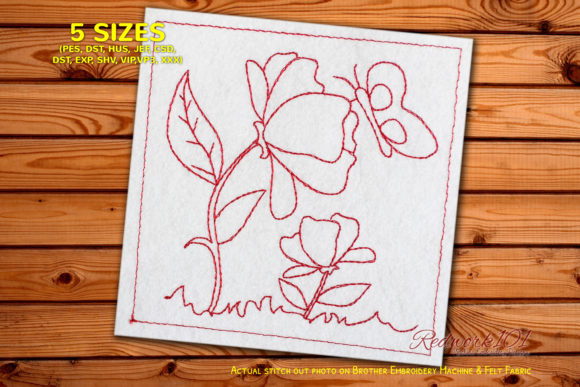
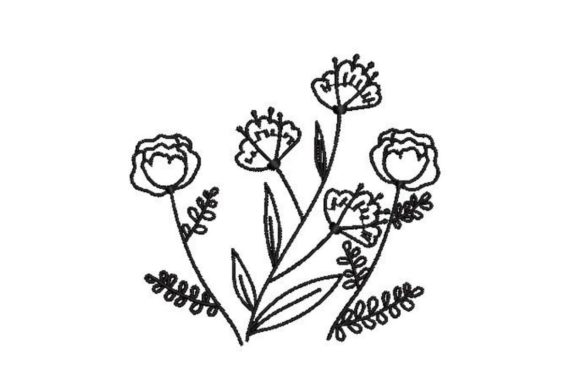
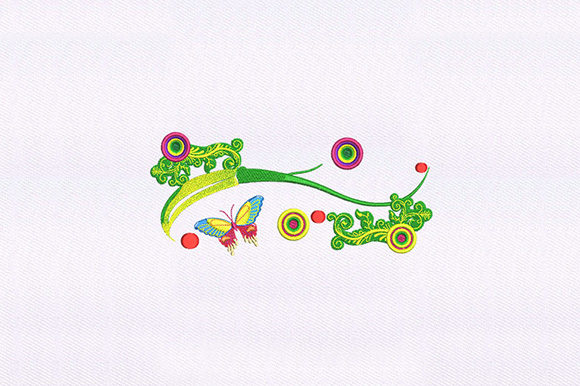
When I first loaded the Butterfly Vines embroidery file into my software, the immediate impression was one of graceful elegance. Unlike heavy, saturated fills that can stiffen fabric, this design relies on clean, flowing lines that capture the whimsical nature of butterflies intertwined with organic vine structures. The aesthetic is versatile. It feels simultaneously rustic and modern, making it a strong contender for a wide range of seasonal themes. For holiday embroidery, it does not scream "Christmas" in a traditional red-and-green sense, which is actually a strength. It offers a softer, more nostalgic feel that works beautifully for winter solstice gifts, early spring previews, or year-round home decor.
The emotional tone of Butterfly Vines is calming and romantic. In a market flooded with loud, novelty holiday designs, this pattern offers a premium, understated look. It appeals to buyers looking for sophisticated, personalized gifts rather than generic merchandise. This subtlety is key for creating high-value items that stand out in a crowded Etsy listing or at a local craft fair.
Strategic Product Placement for Seasonal Sales
To truly evaluate a design, you must imagine it on finished products. I tested Butterfly Vines mentally and physically across several key categories where seasonal demand spikes. Here is how it performs in real selling situations:
- Sweatshirt Embroidery: This is perhaps the strongest application. The outline style prevents the heavy puckering often seen with large fill designs on fleece or cotton blends. Placed on the left chest or as a larger back piece, it creates a trendy, boutique-style look that appeals to younger demographics and those seeking cozy, chic winter wear.
- Kitchen Towel Embroidery: Holiday hosting drives sales for home textiles. Butterfly Vines looks exquisite on waffle-weave or linen towels. The open stitch structure allows the texture of the fabric to show through, adding depth. It is perfect for hostess gifts or bundling with other kitchen linens for a complete set.
- Tote Bag Design: Canvas totes are year-round staples, but during the holidays, they become essential gift bags. Embroidering this design on a natural canvas tote elevates it from a utility item to a keepsake. The vines can be scaled to wrap around corners or sit centrally for maximum visual impact.
- Pillow Cover and Home Decor: For throw pillows, the design adds a touch of nature-inspired serenity. It works well on neutral tones like cream, sage, or slate blue, fitting perfectly into the popular "cottagecore" and modern farmhouse decor trends that remain strong during the holiday season.
- Embroidered Patch: Creating iron-on or sew-on patches is a fantastic way to use leftover hoop time. These patches can be sold as add-ons or used to customize denim jackets and hats, offering a low-cost entry point for customers who want a taste of your brand.
Navigating Technical Challenges and Fabric Constraints
While Butterfly Vines is visually stunning, an experienced embroiderer knows that beauty requires technical precision. There are specific scenarios where this design needs careful handling. Because it is an outline-based design, the choice of thread colors is paramount. On dark fabrics, a single strand of light thread might get lost. I recommend using a heavier weight thread or doubling up strands if your machine allows, to ensure the vines remain visible against navy, black, or deep burgundy fabrics.
Stitch density is another critical factor. Since this is not a dense fill, it is less likely to cause puckering, but it also means the fabric stability is crucial. When working with stretchy garments like jersey knits for t-shirts or baby items, using the correct stabilizer is non-negotiable. A cut-away stabilizer is often safer for garments that will undergo repeated washing, ensuring the vines do not distort over time. For woven fabrics like linen or cotton, a tear-away may suffice, but always test first.
Additionally, consider the hoop size. While the design is flexible, placing it on curved surfaces like caps requires careful hooping techniques to avoid distortion. The intricate details of the butterfly wings should be checked closely after stitching. If the tension is too tight, the delicate outlines can pull and warp. Always run a test stitch on a scrap piece of the exact same fabric texture you plan to use for the final product.
Boosting Brand Value and Customer Engagement
Incorporating Butterfly Vines into your seasonal lineup does more than just add a new product; it enhances your brand's perceived value. Customers associate intricate, well-executed embroidery with quality and care. When you offer this as a personalized gift option—perhaps adding a monogram within the vines—you increase the emotional connection to the item. This leads to higher customer trust and repeat business.
From a marketing perspective, this design is highly photogenic. It creates beautiful printable mockup opportunities for social media. The interplay of light and shadow in the outline stitches photographs well, allowing you to create engaging content for Instagram or Pinterest. Use these visuals to highlight the craftsmanship behind your small shop product offerings. Highlighting the fact that you use high-quality digital embroidery file formats ensures other crafters know you understand the technical side of the trade, building authority in your niche.
Practical Notes for the Commercial Embroiderer
Before you launch your holiday campaign featuring Butterfly Vines, there are a few final checks to ensure success. First, verify the commercial licensing terms. As a seller, you must confirm that your purchase of the embroidery file grants you the right to sell finished physical goods. Never assume; always read the license included with the download.
Second, check the available file formats. This design comes in a comprehensive list including DST, PES, JEF, EXP, and many others like 10O, ART, CND, DSB, DSZ, HUS, PCS, PEC, TAP, VIP, VP3, and XXX. Ensure you are using the format optimized for your specific machine brand to avoid conversion errors that can alter stitch quality.
Finally, think about color palettes. For the holiday season, consider stitching Butterfly Vines in metallic gold or silver thread for a festive twist, or stick to classic evergreen and cranberry for a traditional look. For spring previews, soft pastels work beautifully. By planning your thread choices in advance, you can create cohesive collections that tell a story.
In conclusion, Butterfly Vines is a versatile, high-potential addition to any embroidery designer’s library. It bridges the gap between seasonal festivity and timeless elegance. By paying attention to fabric choice, stabilizer selection, and strategic product placement, you can transform this digital file into a best-selling handmade gift that resonates with customers looking for something special this holiday season. Whether you are decorating aprons, ornaments, or premium apparel, this design offers the flexibility and charm needed to succeed in today’s competitive market.